
Post-Operative Rehabilitation in Sydney CBD
Surgery repairs the structure. Rehabilitation restores the movement, strength and confidence to use it again.
Our physiotherapists work to your surgeon's post-operative protocol, on Level 2 of the Gadigal Station building at 127 Bathurst Street. If you are booked in for an operation, or you have just come out of one, this page covers what rehabilitation involves, which surgeries we work with, and how to get started.
What post-operative rehabilitation involves
Post-operative rehabilitation is physiotherapy that runs from the days after your operation through to the point where you are back doing what you were doing before it.
The operation itself is one part of the process. Around it sits swelling, pain, protective muscle guarding, loss of joint range, and loss of strength in muscles that stopped working the moment surgery happened. Rehabilitation addresses those things in a deliberate order, at a pace your healing tissue can handle.
In practice, that means:
- Managing swelling and pain so you can move
- Restoring joint range of motion within the limits your surgeon has set
- Reactivating the muscles around the joint, which often switch off after surgery
- Rebuilding strength and load tolerance
- Retraining walking, stairs, lifting, or whatever your specific demands are
- Progressing you back towards work, exercise and sport
Every step is bounded by your surgeon's instructions. Rehabilitation that runs ahead of a repair is not faster rehabilitation, it is a risk to the repair.
We work to your surgeon's protocol
Most orthopaedic surgeons provide a written post-operative protocol: what range of motion is allowed and when, when weight-bearing progresses, when a brace or sling comes off, and what is off limits.
Your physiotherapist reads that protocol before your first session and works within it. If you were not given one, or you cannot find it, tell us and we will contact the surgeon's rooms to request it. Where your progress does not match what the protocol anticipated, or something does not look right, we will report back to your surgeon rather than push on.
This is the part that matters most and the part patients most often skip. A rehabilitation plan written without reference to what was actually done in theatre is a guess.
The four stages of post-operative rehabilitation
Recovery is not one long block of exercises. It moves through stages, and each one has a job to do before the next can start.
Protection and early movement
The first phase protects the repair while stopping the joint from stiffening and the surrounding muscle from wasting. Work here is small and specific: swelling management, gentle movement inside the permitted range, isometric muscle activation, and getting you safe on crutches, in a sling or in a boot. We also cover what to do at home, because most of this phase happens outside the clinic.
Range of motion
Once the repair tolerates it, the focus shifts to getting the joint moving properly again. Stiffness that sets in during this window is difficult to recover later, so this stage is worth taking seriously even when the joint feels reasonable. Hands-on treatment, guided stretching and graded movement drills do the bulk of the work.
Strength and load
This is where the gym work starts and where most of the long-term result is decided. Muscles are progressively loaded, and the joint is exposed to controlled force so it can adapt. Sessions get longer and the exercises look less like rehabilitation and more like training. Home or gym programming carries an increasing share of the load.
Return to function
The last stage is built around your specific demands, not a generic endpoint. For an office worker that might be sitting tolerance, commuting and carrying. For a runner it is impact loading, change of direction and volume. Progression here is based on what you can do, measured, rather than on how many weeks have passed.
Common surgeries which require post-operative care
We work with patients recovering from a wide range of orthopaedic and musculoskeletal procedures.

Shoulder
Shoulder reconstruction, shoulder stabilisation, rotator cuff repair, acromioplasty, manipulation under anaesthetic (MUA), capsulotomy, and rehabilitation after shoulder fracture.
Shoulder surgery often involves a sling for an extended period and a strict range of motion sequence. Getting the timing right between protection and movement is the central issue.
Elbow
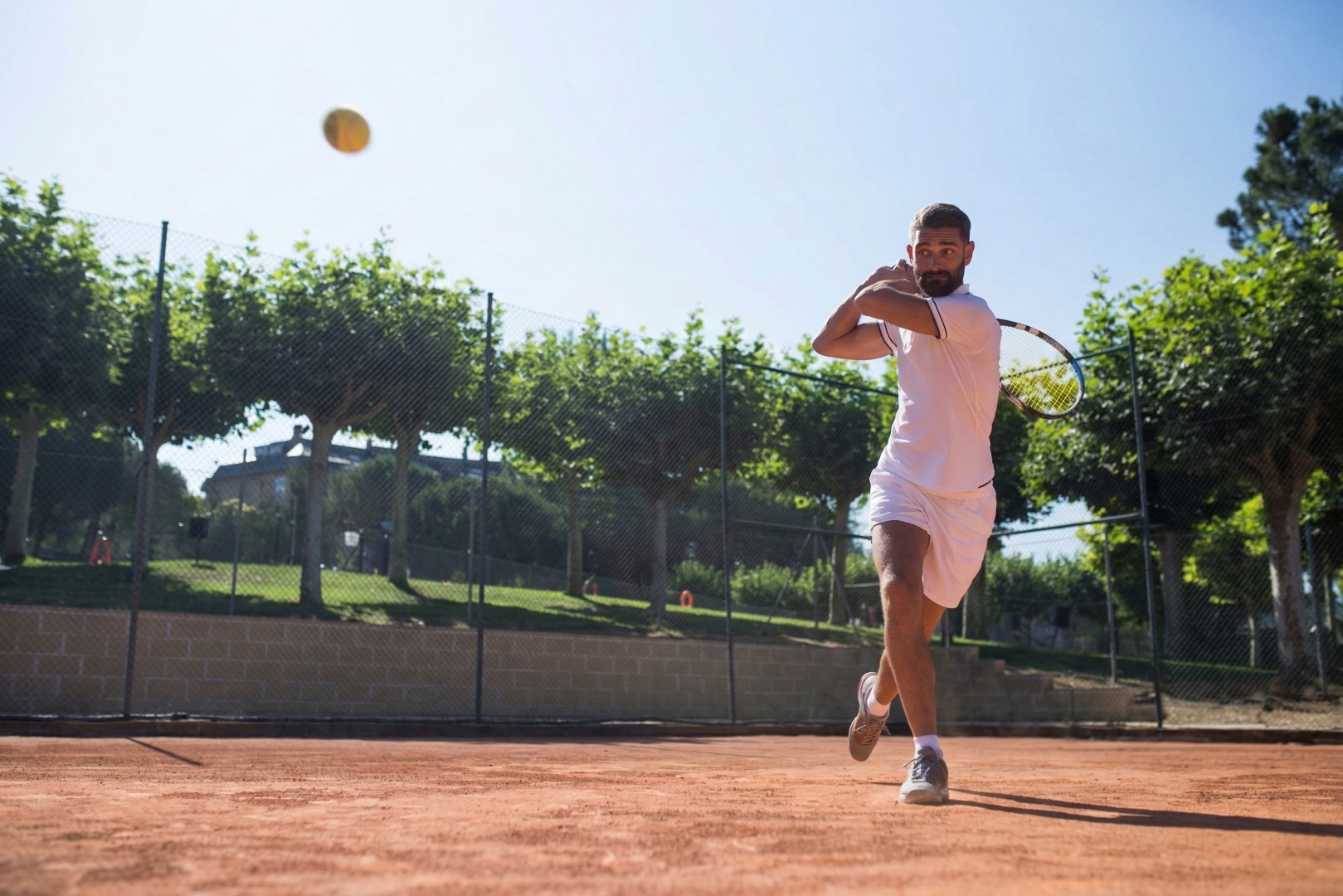
Tennis elbow release, golfer's elbow release, and rehabilitation after elbow fracture.

Wrist and hand
Carpal tunnel release, wrist fractures including radius, Colles and scaphoid, and tendon repairs.
Some hand and finger tendon injuries are better managed by a hand therapist working with custom splinting. If your case falls into that category we will say so and help you find the right person rather than take it on.

Hip
Hip replacement, hip resurfacing, hip labral repair, hip arthroscopy, and rehabilitation after hip fracture.
Hip work centres on walking pattern, hip and gluteal strength, and rebuilding confidence with stairs, cars and getting up from low chairs.

Knee
Knee replacement, ACL and other ligament reconstruction, arthroscopy, meniscal repair, microfracture, chondroplasty, tibial tubercle transfer, and rehabilitation after femur, tibia or patella fracture.

ACL and knee ligament reconstruction
ACL reconstruction is one of the most involved rehabilitation programs in orthopaedics, and one where what happens after the operation shapes the result as much as the surgery does.
The graft used affects the early plan. Hamstring grafts, patellar tendon grafts and quadriceps tendon grafts each leave a donor site that needs its own attention alongside the knee itself. Your physiotherapist will want to know which was used.
The early priorities are full knee extension, swelling control and getting the quadriceps firing again, because quadriceps shutdown after ACL surgery is common and slow to reverse if it is left alone. From there, rehabilitation moves through progressive strength work, single-leg control, running preparation, and finally change of direction and sport-specific loading.
Return to sport is not decided by the calendar. It is decided by testing: strength compared side to side, hop and landing quality, and how the knee responds to load. We will talk you through what those measures are and where you sit against them.

Knee replacement
Knee replacement rehabilitation has a different shape. The early work is dominated by regaining extension and flexion, settling swelling, restoring a normal walking pattern, and managing stairs. Range of motion gained in the early window is much easier to keep than range recovered later, which is why the first phase is worth attending to closely.
Strength work then targets the quadriceps, hamstrings, calf and hip, since the muscles around an arthritic knee are usually deconditioned well before the operation ever happened.
The Australian Commission on Safety and Quality in Health Care sets out what patients should expect across the knee osteoarthritis care pathway, including surgery and the care around it, in its consumer information for the Osteoarthritis of the Knee Clinical Care Standard.

Calf
Achilles tendon repair and fasciotomy.
Achilles rehabilitation is one of the more protocol-driven areas, with staged progression through boot wedges, weight-bearing and eventual return to running.
Ankle and foot
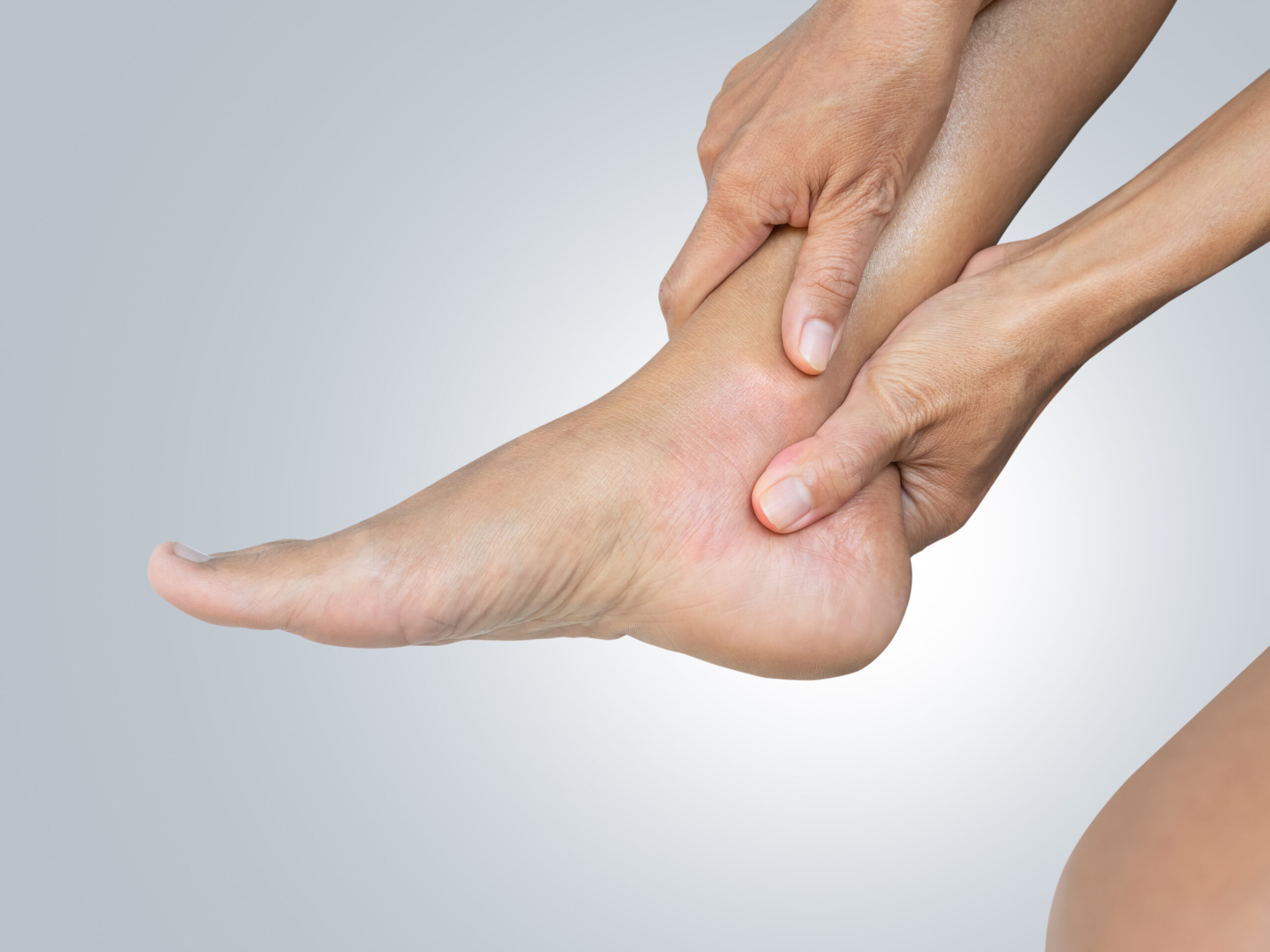
Ankle reconstruction, ankle ligament repair, ankle arthroscopy, ankle fracture and bunionectomy.

Spine, neck and back
Discectomy, microdiscectomy, laminectomy, and spinal fusion or stabilisation.
Spinal surgery comes with clear early restrictions on bending, lifting and twisting. Rehabilitation works around those restrictions, then rebuilds trunk and hip strength and graded tolerance for sitting, standing and load as the surgeon releases them.
Our rehabilitation space
Strength work needs equipment. Ours includes a cable machine and a Pilates reformer, so the middle and late stages of your program can be done in the clinic under supervision before you take them into your own gym.
Alongside the exercise equipment, we use interferential therapy and therapeutic ultrasound where they suit the stage of your recovery, and a dynamometer for side-to-side strength comparison where objective measurement matters.
Starting in the first week after surgery
You do not need to wait until you are out of a brace, off crutches or off pain relief. Early appointments are often the most useful ones, because they set up the swelling management, the safe movement range and the home program that the rest of your recovery is built on.
We can see you in the first week after your operation, including if you are non-weight-bearing or immobilised. If you are unsure whether it is too early, ask us rather than waiting.
Before your surgery: pre-operative rehabilitation
If your surgery is elective and still weeks away, there is work worth doing beforehand.
Pre-operative rehabilitation, sometimes called prehabilitation, is a program run before your operation to improve the strength, range of motion and general conditioning you take into theatre with you. It also gives you the chance to learn the exercises, practise using crutches or a sling, and set up your home while you are still fully mobile.
A pre-operative session typically covers:
- An assessment of strength, range of motion and function on both sides, so there is a baseline to measure recovery against
- A targeted strengthening program for the affected limb and the rest of the body
- Practice with any aids you will be using afterwards
- What to expect in the first fortnight, so it is not a surprise
- A plan for when your first post-operative appointment should be
What to ask your surgeon before you go in
Bring the answers to your first physiotherapy appointment. They shape the entire early program.
- What exactly is being done, and what tissue is being repaired or replaced?
- Is there a written post-operative protocol, and can I have a copy?
- Will I be weight-bearing, partial weight-bearing or non-weight-bearing, and for how long?
- Will I be in a brace, sling or boot, and what range of motion is allowed at each stage?
- When should I start physiotherapy?
- What movements are off limits, and for how long?
- Are there restrictions on driving, working or lifting?
- What should I do if something does not feel right during recovery?
Healthdirect has broader general guidance on preparing for surgery, including questions to raise with your surgeon and anaesthetist.
Funding and rebates
We process claims on the spot where the fund allows it.
- Private health insurance. Claimable with extras cover that includes physiotherapy. HICAPS on site.
- Medicare. Under a GP Chronic Condition Management Plan (GPCCMP), which replaced the Enhanced Primary Care plan from 1 July 2025. Your GP arranges this and it covers a set number of allied health sessions per calendar year.
- WorkCover. For surgery arising from a workplace injury, with an approved claim.
- CTP. For surgery following a motor vehicle accident.
- DVA. Under a valid referral.
- NDIS. For self-managed and plan-managed participants.
- International insurance. We can provide documentation for overseas policies and reimbursement claims.
Current fees are listed on our appointments page. If you are not sure which funding pathway applies to your situation, ask us before you book.
Book your appointment
Whether your surgery is next month or last week, the sooner the plan is in place the more of your recovery you get to direct.
Choose a time online. Six days a week, with early morning, lunchtime and after-work appointments.
Not sure what you need, or when to start? Send us the procedure and your surgeon's instructions and we will tell you what makes sense.
Level 2, Gadigal Station Building, 127 Bathurst Street, Sydney NSW 2000. Lift access from the Metro concourse and Bathurst Street.
Getting here after surgery.
Right above Gadigal Metro Station.
Post-operative patients arrive on crutches, in slings, in moon boots and in braces. Access matters more than it usually does at our Sydney CBD clinic, so here is the detail up front.
We are directly above Gadigal Station. There is lift access from the station concourse and from street level on Bathurst Street, and a step-free path from the lift through to the treatment room. If you are being dropped off or arriving by taxi, the Bathurst Street entrance is the one to use.
If you are non-weight-bearing and unsure whether you can manage the trip, call us before you book and we will talk it through.
-
Our Clinic Gadigal Station Building Level 2, 127 Bathurst Street Sydney NSW 2000
-
Opening Hours Mon to Fri – 8:00am to 6:30pm Sat – 10:00am to 2:00pm Sun – Closed
-
Phone 02 9267 3775
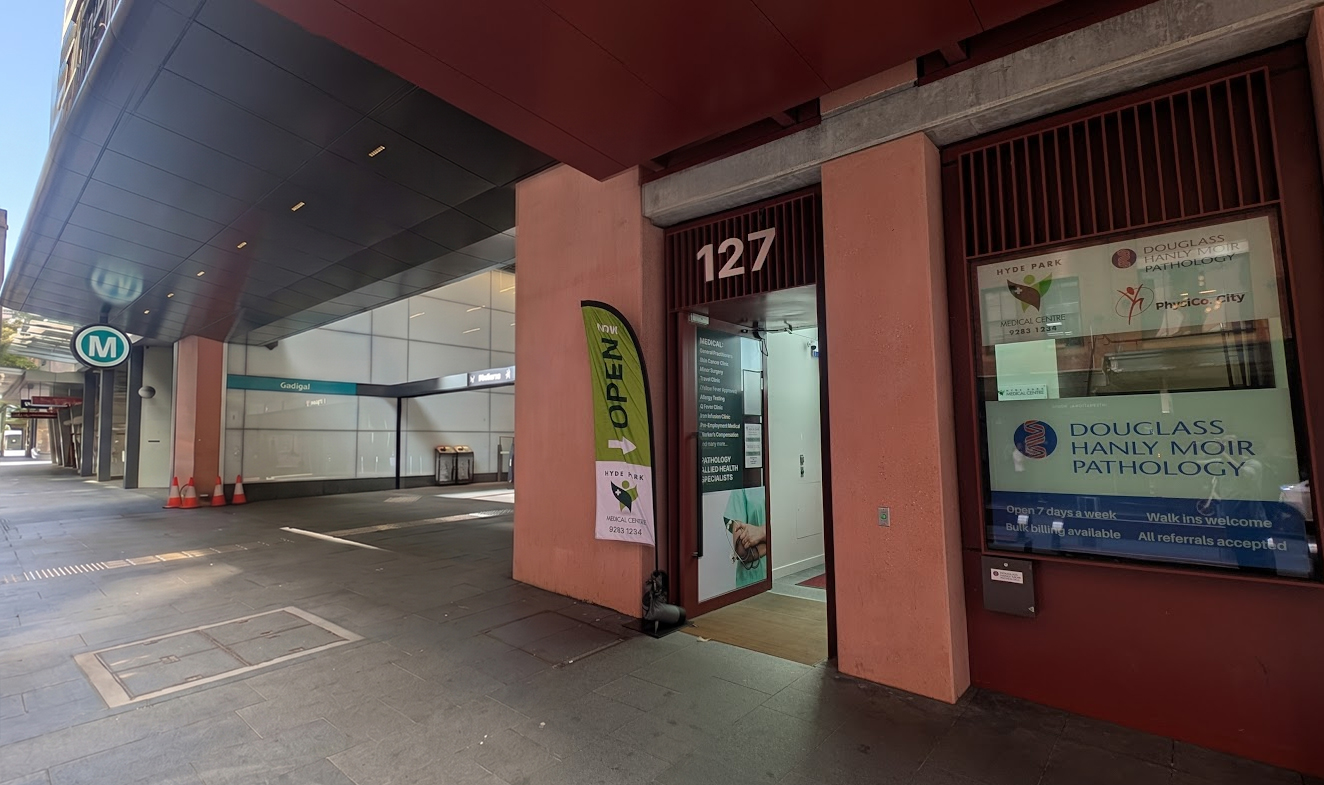
Coming via Metro?
We're just steps from the platform.
- Take the lift or escalator to the Bathurst Street exit.
- Come out of the gates and turn left.
- We're the first door on the left.
Frequently asked questions
It is not a problem, and it is the situation most patients are in. Pre-operative work is useful where it is available, but the majority of people come to physiotherapy for the first time after their operation and rehabilitate normally from there. Your first session simply establishes where you are starting from and builds the plan around that.
That depends on the procedure, the tissue involved and the restrictions your surgeon has set, which is why the protocol matters more than the label. Rehabilitation after a rotator cuff repair looks nothing like rehabilitation after a discectomy. Bring your surgical notes and any written protocol to your first appointment and we will map out what your specific recovery involves.
It varies considerably by procedure, by what was found during surgery, and by your starting point, so a general figure would be misleading. Some procedures resolve over weeks and others take the better part of a year. For guidance on your specific surgery, contact us with the procedure name or book a pre-operative or initial assessment and we will give you a realistic picture based on your case and your surgeon's protocol.
Usually within the first week or two, unless your surgeon has said otherwise. Early appointments set up swelling management, safe movement and your home program. If you have a written protocol it will often nominate a start point. If you are unsure, call us with the surgery details.
No. You can book directly. A referral is only needed for particular funding pathways, specifically Medicare under a GPCCMP, DVA, and some WorkCover and CTP arrangements. Private health extras claims do not need one.
Yes. Your physiotherapist reads it before your first session and works within it. If you do not have a copy we will request one from the surgeon's rooms. Where your progress differs from what the protocol expected, we will communicate that back to the surgeon.
Yes, and many patients do. There is lift access from the Gadigal Station concourse and from Bathurst Street, and the path from the lift to the treatment room is step-free. If you are non-weight-bearing and want to check the route before you travel, call us and we will walk you through it.
Your operation report or discharge summary, any written post-operative protocol, imaging reports if you have them, your brace, sling or boot, and comfortable clothing that gives access to the operated area. Also bring the name of your surgeon and their rooms.
Current fees are on our appointments page. We have HICAPS on site, so private health extras rebates and Medicare rebates under a GPCCMP are processed at the time of your appointment and you pay the gap only.
Yes. We work with all of these. WorkCover and CTP require an approved claim and claim number, DVA requires a valid referral, and NDIS applies to self-managed and plan-managed participants. Bring your claim or reference details to your first appointment.
Your surgeon decides this, not your physiotherapist, and there are insurance implications if you drive before you are cleared. It depends on the limb operated on, whether you are in a brace or sling, whether you are taking medication that affects driving, and whether you can perform an emergency stop. Ask your surgeon directly and check your policy.
It depends on the surgery and on what your job physically involves. Desk-based work is usually possible well before physical work, though commuting, sitting tolerance and travel need thinking about. We can help you plan a graduated return and provide documentation for your employer or insurer where that is needed.
This is decided on capacity rather than time elapsed. Strength compared side to side, movement quality under load, and how the joint responds to progressive exposure all feed into the decision. We will tell you which measures apply to your procedure and where you currently sit against them.
Tell us. Progress after surgery is rarely a straight line, and slower phases are common and usually manageable with a change to the program. Where something falls outside what your protocol anticipated, or we see something that warrants review, we will refer you back to your surgeon.